
Amazon has set its sights on the next frontier in e-commerce, and if you’ve looked at a piece of business or tech media in the last three years, you can probably guess what that is: AI shopping. In 2024, Amazon introduced its AI shopping chatbot Rufus as an early mover in the field, and according to CEO Andy Jassy, it was a great success. However, in May 2026, Amazon announced that the chatbot was being retired and rolled into Alexa for Shopping.
That’s typical for the new era of AI in e-commerce: Things evolve quickly, but every iteration is a chance to grow. As Amazon doubles down, pivots, then doubles down again, it’s time to think about how your brand can build a sustainable presence that weathers the relentless technological evolution. It starts with understanding the big-picture trends that shape Amazon advertising.
Funnel collapse and first-party data
The first trend we need to keep in mind is funnel collapse: a scary-sounding term that actually refers to the vertical integration of the e-commerce buying journey. Increasingly, a consumer’s whole buying process, from upper-funnel research to the bottom-funnel conversions, happens on e-commerce platforms.
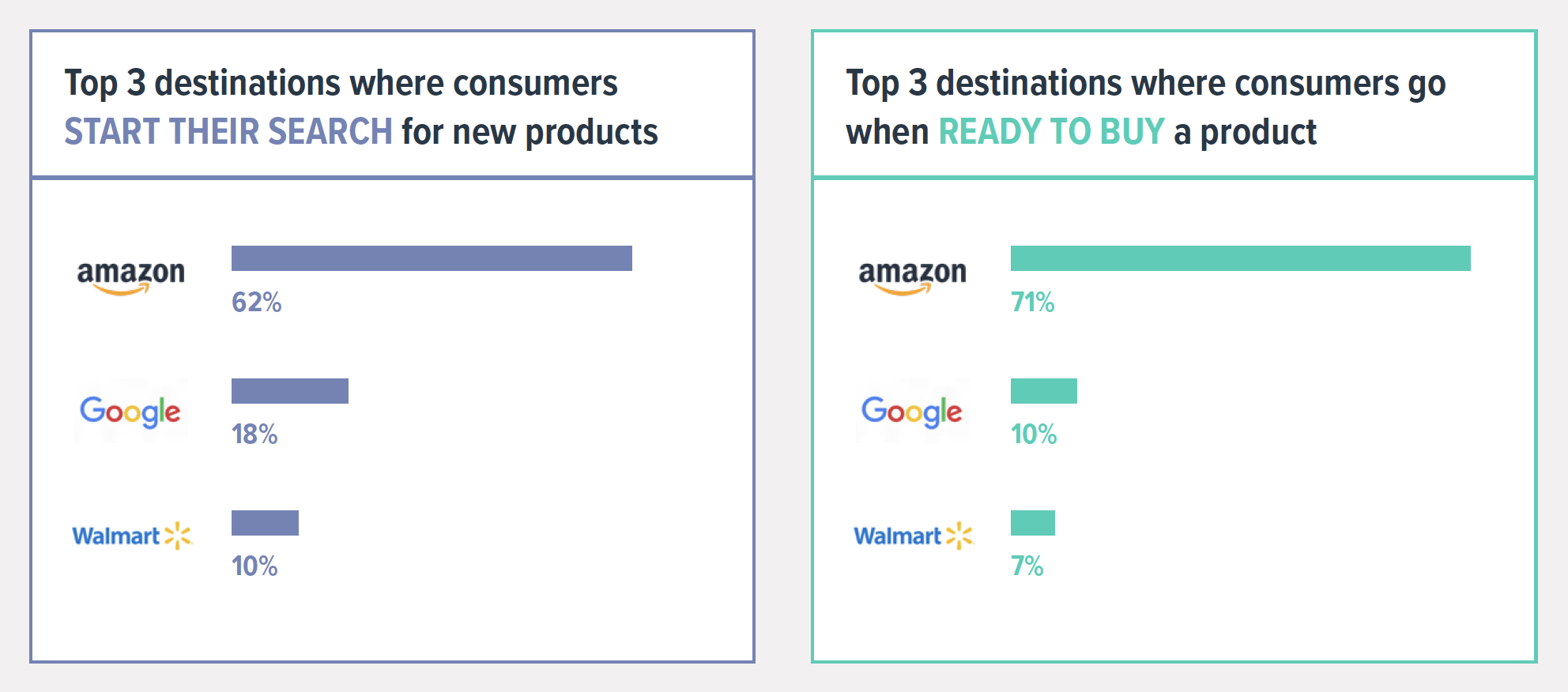
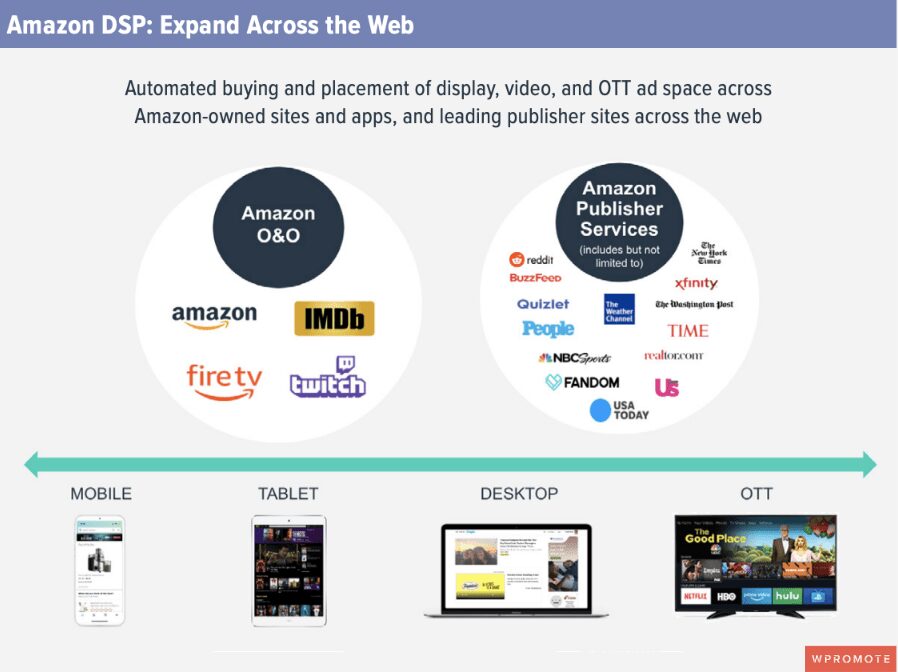
Years ago, Amazon made a bet that brand media and performance media would continue to converge, and that’s exactly what happened. As usual, Amazon got ahead of the trend with smart buildouts of both its self-serve sponsored ads and Amazon DSP.
Underneath the AI hype is a simple truth: Amazon has first-party shopping and behavioral data on hundreds of millions of consumers globally—over 310 million active customers and 240 million+ Prime members. That means it’s one of the richest shopper-data ecosystems in existence. The funnel hasn’t so much “collapsed” as it’s been vertically integrated onto a single platform, where the same data powers brand storytelling and last-click conversion.
Enter Rufus: Amazon’s first big bet on the still-evolving AI shopping landscape. The idea was to leverage this advantage by spinning the e-commerce giant’s first-party data into a web of instant research and personalized recommendations. According to Amazon, it worked: Jassy told investors in November 2025 that Rufus was on track to pull in an extra $10 billion of sales.
Rufus, we hardly knew you
So what happened? Alexa got jealous. Amazon pivoted away from Rufus in a mid-May announcement and said that it would roll its agentic shopping offerings into a revamped Alexa for Shopping experience.
It makes sense if you think about it as an evolution rather than an elimination: Rufus was a separate chat interface that didn’t match Amazon’s plans for closely-integrated AI shopping. And what’s more closely integrated than Alexa, the voice assistant who’s already turning on the lights, skipping to the next song, and telling you the temperature outside?
Some of the features likely to carry over to the new Alexa experience include:
- Product research and comparisons
- Personalized shopping recommendations
- Price tracking and alerts
- Cross-device continuity with other devices, like Amazon Echo
- Purchase automation and agentic shopping
The real takeaway is this: Shed a tear for a fallen chatbot, but don’t let it stop you from building your brand presence through the AI tools built into Amazon. Those tools are powerful, they work, and they already use advanced automation and machine learning that help you optimize signals for AI discoverability at every funnel stage.
The big picture: Automating the funnel
When in doubt, go where the platform is going. And where Amazon is going is increasingly unambiguous: Full-funnel automation that leans on its inexhaustible wealth of first-party data. Here’s how smart brands are handling that in a post-Rufus world:
- Lean into the funnel collapse.
- As retailers’ entire sales funnels increasingly migrate to e-commerce platforms, Amazon has helpfully built out an ad ecosystem that lets you talk to your customers at every stage. If your Amazon presence needs to mature, now is the time to build.
- AI is an accelerator for what works.
- Right now, the best ROI still comes from Amazon’s existing automation tools like bidding, targeting, and creative automation. These are the core technologies that help you get more for your Amazon ad dollar, so keep testing fresh creative and pushing hard on high-ROAS terms.
- Sponsored Ads are more important than ever.
- Amazon Sponsored Ads may be a walled garden, but if it’s the walled garden where your customers spend their whole buying journey, then it’s worth a significant investment. Even more importantly, all of the data from your ad buys, including what your audience clicks, feeds back into the first-party data systems that are constantly training Alexa’s shopping features.
- Amazon DSP is the new frontier of AI training grounds.
- If you’ve mastered the basics of Sponsored Ads, Amazon DSP provides a whole new level of rich and dynamic data that you can feed back into the audience targeting algorithms. That feedback loop lets Amazon’s models get sharper over time about who’s actually in‑market for your products, not just who happened to see an impression.
Rufus may be gone, but the learning loop it created is accelerating. According to Amazon, shoppers who use Rufus were 60% more likely to complete a purchase, and interactions were growing 210% year-over-year, giving the company a massive stream of signals to improve recommendations and personalization. As those capabilities move into Alexa for Shopping, every interaction feeds the data flywheel that helps make Amazon’s AI and your brand offering smarter.